Table Of Content
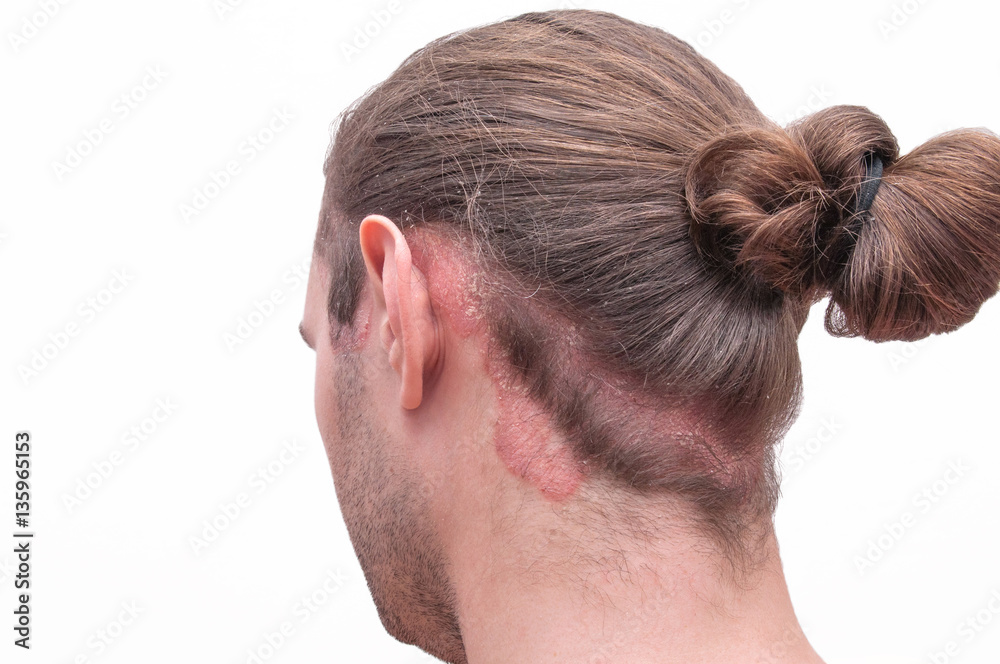
Getting adequate sleep can also play a role in stress management. Those who experience more severe stress or anxiety may also benefit from consulting a therapist or counselor. Eczema affects nearly 30% of people in the United States, and 4% have seborrheic dermatitis. “The cause can range from underlying medical conditions like Parkinson's to an allergic reaction to a hair dye,” Idriss explains. Seborrheic dermatitis is a type of eczema linked with the scalp, though it can appear in other areas with a lot of oil-producing glands in the skin. In this article, we look at risk factors for scalp eczema, how to prevent it, and what treatment involves.
Scalp Eczema: Symptoms, Causes, and Treatments
Infants, children, and people with atopic dermatitis are most susceptible to a rare but life-threatening infection called eczema herpeticum. The most common type of scalp eczema is known as seborrheic dermatitis, and its most unwelcome symptom is dandruff. Eczema, also called dermatitis, is the name for a group of conditions that cause the skin to become itchy, inflamed, or have a rash-like appearance. Product build up can disrupt the pH balance of scalp, so finding products with optimal pH levels (between 4.5 and 5.5 for the scalp) is key. But there are other ingredients and considerations to look out for, too.
Products & Services

In people with lighter skin tones, scalp eczema can appear reddish or pink compared to the surrounding skin. In people with darker skin tones, scalp eczema can look dark or purplish; or it may present itself as lighter than a person’s skin. Once you've identified a culprit, there are very few over-the-counter options for topical steroids. Gohara almost always treats her scalp eczema patients with a prescription-strength topical steroid that reduces the inflammation. The first step involves skin care, and a dermatologist can describe how to keep the scalp clean and hydrated. Replacing any harsh shampoos with gentle, pH-balanced ones may reduce irritation, for example.
A Proud Mom Prepares Her College-Bound Daughter to Manage Atopic Dermatitis on Her Own
Also, some research shows that daily use of a 5% tea tree oil shampoo can significantly improve mild-to-moderate symptoms without causing side effects. Follow Naomi's preparations for her daughter Valencia’s confirmation as together they face the possibility Valencia will have an atopic dermatitis flare... Scalp eczema often responds to treatment, but it also often returns.
In people of colour, affected areas may be scaly and lighter in colour than the surrounding skin and may have no redness. There is often dandruff as well, which can vary in severity. There may also be a rash on other parts of the face, such as around the eyebrows, eyelids and sides of the nose. See National Eczema Society’s factsheets on Seborrhoeic dermatitis in adults and Seborrhoeic dermatitis and cradle cap in infants for more information.
When to see a doctor
Scalp eczema encompasses a range of inflammatory skin conditions affecting the scalp beneath the hair. These conditions, including atopic dermatitis, seborrheic dermatitis, and contact dermatitis, are characterized by symptoms such as redness, itching, flaking, and sometimes oozing or crusting. Scalp eczema can be triggered by various factors such as genetic predisposition, allergens, irritants in hair care products, stress, and fungal or bacterial infections. Understanding the nuances and differences between these types of scalp eczema is crucial for accurate diagnosis and effective management to alleviate symptoms and improve scalp health. In conclusion, managing scalp eczema requires a multifaceted approach in understanding symptoms, causes, and treatment options.
Frequent Symptoms
“It’s generally coming from a shampoo conditioner, dry shampoo, hairspray, or products that you’re using that are creating a reaction,” Connecticut-based board-certified dermatologist Mona Gohara says. When patients come to her about their scalp eczema, the first thing she finds out is whether they’ve been using any new or different hair-care products — or have recently dyed their hair. Treatment for eczema on the scalp involves a multifaceted approach, including topical treatments like corticosteroid creams or shampoos containing ingredients to target yeast overgrowth or inflammation.
Bacterial Infection
People with atopic dermatitis are at risk of developing food allergies, hay fever and asthma. If dry air exacerbates your eczema symptoms, the Cleveland Clinic recommends using a humidifier to increase moisture in your home. Using anything hotter than warm water can dry out your skin and worsen eczema, as can exposing yourself to water for more than 10 to 15 minutes at a time, according to the Mayo Clinic. The National Eczema Society suggests applying your chosen product before bed, then covering your head with a cotton turban or nightcap and rinsing the product out in the morning. However, it’s important to avoid petroleum-based products, as these can make hair greasy and may be difficult to rinse out. Whether you need treatment for a specific condition or simply want to enhance your skin's health, Sesame Care experienced professionals are just a click away.
Yes, You Can Get Eczema on Your Scalp - Yahoo Life
Yes, You Can Get Eczema on Your Scalp.
Posted: Fri, 21 Feb 2020 08:00:00 GMT [source]
The rash may itch and cause some discomfort, but for most teenagers, it's the redness and scaling that tends to disturb them the most. Having a visible rash can really have an impact on self-esteem, particularly during adolescents. Everyday Health follows strict sourcing guidelines to ensure the accuracy of its content, outlined in our editorial policy. We use only trustworthy sources, including peer-reviewed studies, board-certified medical experts, patients with lived experience, and information from top institutions.
It can be difficult to tell an eczema rash from another kind of rash. The only way to know for sure is to see a skin expert called a dermatologist. The main symptoms of eczema are skin dryness, redness, itching, and a scaly rash.
You can learn more about common allergens in cosmetics in this study. Take notes on your symptoms and how they are similar to eczema on the scalp before your appointment, so you’re prepared to discuss them and any questions you have with your doctor. Finding an effective treatment plan for your scalp is really dependent on the condition you have. For example, seborrheic dermatitis6 can typically be managed with dandruff shampoo—but that’s not the case for scalp eczema.


No comments:
Post a Comment